Take time to explore
Finding the Hidden Gems: A Lesson from Kathlen’s Rock
It is a common irony for photographers: we are often so laser-focused on reaching a specific destination that we zoom right past the treasures hiding in plain sight. For years, we drove the highway seven miles outside of Hanksville, Utah, headed toward Goblin Valley State Park. Each time, we passed a particular rock formation without a second thought, our minds already fixed on the "main event" or the comfort of our hotel.
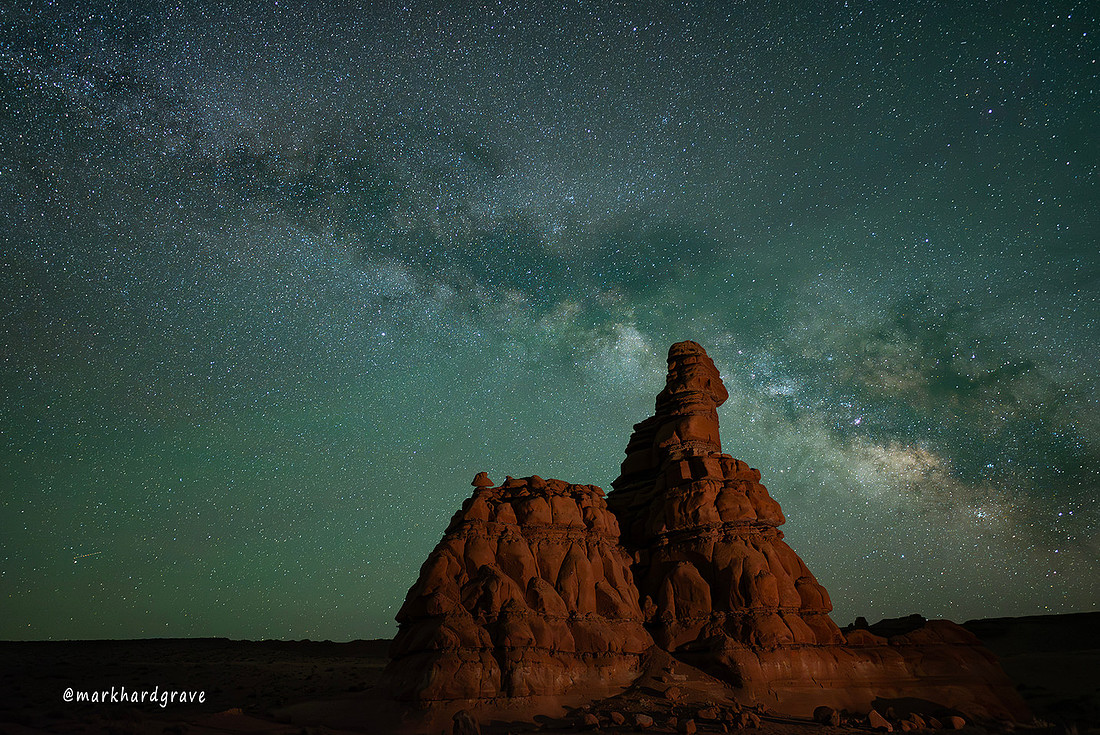
One day, we finally decided to stop and explore the area. What we found was a stunning subject for our lenses—a formation the internet identifies as Kathlen's Rock. It was a humbling reminder that sometimes the best shots are waiting exactly where you aren't looking.
The Art of the Night Shoot
We returned on a perfectly clear night to capture the formation against the cosmos. Night photography is rarely as simple as "point and shoot"; it’s a meticulous process of balancing artificial and natural light.
-
Lighting the Foreground: Our current style involves using LED lights to bring out the textures of the rock.
-
Color & Intensity: We use color-correction gels to keep the light natural and ND filters to drop the exposure to the perfect level for the scene.
-
Precision Placement: We typically set up just before dusk. As the sun dips below the horizon, we test our light stands, "feathering" the light to ensure it doesn't overpower the foreground or look overly artificial.
Patience and Persistence
The proximity of Kathlen's Rock to the road adds a unique challenge: traffic. To avoid having the composition ruined by the harsh, sweeping beams of passing car headlights, we have to time our long exposures perfectly.
It is a lot of effort for just a few frames—waiting for the right gap in traffic, adjusting stands in the dark, and fine-tuning filters—but when the Milky Way finally aligns with the silhouette of the rock, the result is well worth the work.
The Takeaway: Next time you're chasing a destination, don't forget to look at what's right in front of you. You might just find your next favorite photograph.

Bears of McNeil
The Giants of McNeil River: A Lesson in Lens Choice
There is nothing quite like the raw energy of the McNeil River. When I traveled there in 2010 with Kevin Ferris, I quickly learned that you never truly know what to expect. Depending on the season, you might find yourself watching upwards of 20 bears all fishing at the falls simultaneously.
The Proximity Paradox
One of the most surprising elements of McNeil is the proximity. At times, the bears wander so close to the viewing area that a 300mm lens is more than enough to capture intimate, detailed portraits. While there is definitely a thrill in getting those tight "headshots," I’ve found that environmental shots—capturing the bears within the context of their rugged natural habitat—often tell a more compelling story.
The Gear Dilemma: Prime vs. Zoom
Choosing the right glass is the hardest part of the trip, especially when you are traveling light and facing strict weight restrictions.
-
The Prime Problem: 15 years ago, we were largely restricted to prime lenses. If you brought a 500mm lens, you were often "stuck" with it. If a bear walked near the viewing area, you might find yourself with too much focal length, unable to capture the whole scene.
-
The Modern Solution: Today, we have incredible zoom options that simply didn't exist back then. These modern lenses offer the flexibility to jump from a wide environmental shot to a close-up without switching gear.
A Note on the Hike
If you’re planning your own pilgrimage to the falls, remember: pack light. The hike to the waterfall is long and notoriously muddy. Every pound you shave off your kit will make your day significantly more enjoyable.
Pro Tip: In a place as dynamic as McNeil, flexibility is your best friend. Prioritize a high-quality zoom to ensure you're ready for whatever the bears (and the Alaskan weather) throw at you.
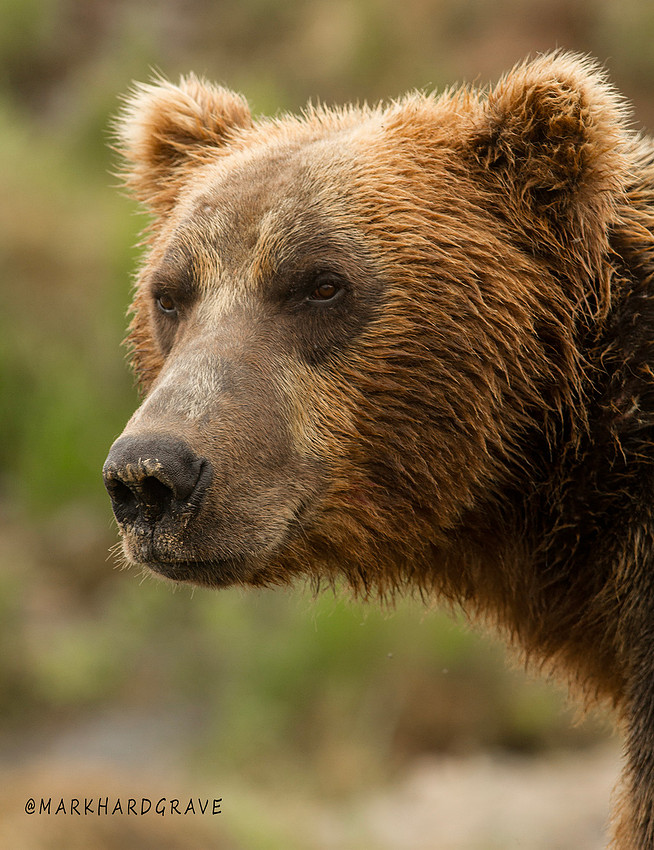
Brown bear fishing at McNeil River falls, Alaska, 300mm close-up.
The Tourist Shot
Beyond the "Tourist Shot": Capturing Mobius Arch
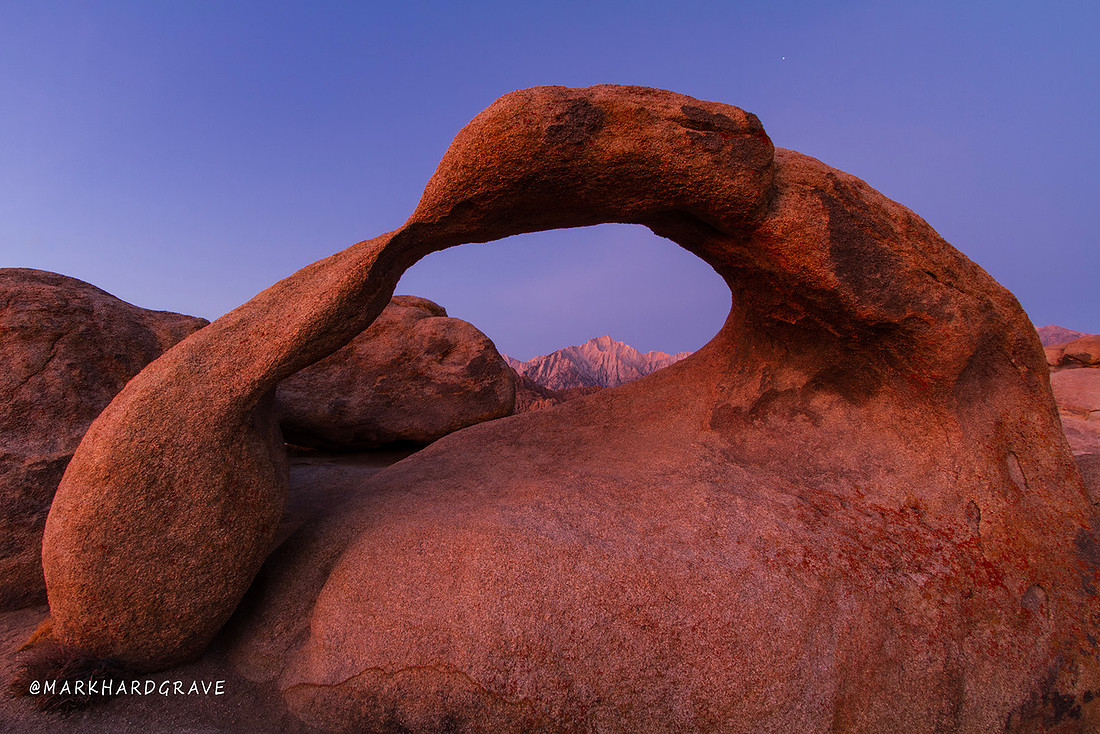
Sometimes, when you travel to a destination for the first time, you inevitably end up with the "typical" shot—the one everyone else has. While you can vary the time of day or the camera angle, some subjects simply don't offer many alternatives if you want to capture their iconic essence.
Mobius Arch is one of those legendary spots. If you want to frame the distant Sierra Nevada mountains through the natural curve of the stone, there is really only one way to do it. To get the best results, I recommend photographing the arch at sunrise. The early morning light hits the sandstone perfectly, bringing out a soft, warm glow that you just can't find at midday.
Exploring the Alabama Hills
The arch is located just outside the town of Lone Pine, California. If the landscape looks familiar, it’s because it has served as the backdrop for countless westerns and sci-fi films. This area, known as the Alabama Hills, offers a dramatic, "alien-looking" environment that movie directors (and photographers) absolutely love.
A Quick Tip for Visitors
Lone Pine itself is a charming, tiny town with only one stoplight and plenty of western-themed gift shops. It is a unique place to explore, but here is my best advice: slow down. If you drive through Lone Pine too fast, you’ll miss the quiet beauty and the rugged history this gateway to the Sierras has to offer.
Mars Research Center
🚀 Postcard from Mars (Wait... is this Utah?)
Ever wanted to visit another planet without the seven-month commute and the freeze-dried ice cream? Just a few miles outside of Hanksville, Utah, you can do exactly that.
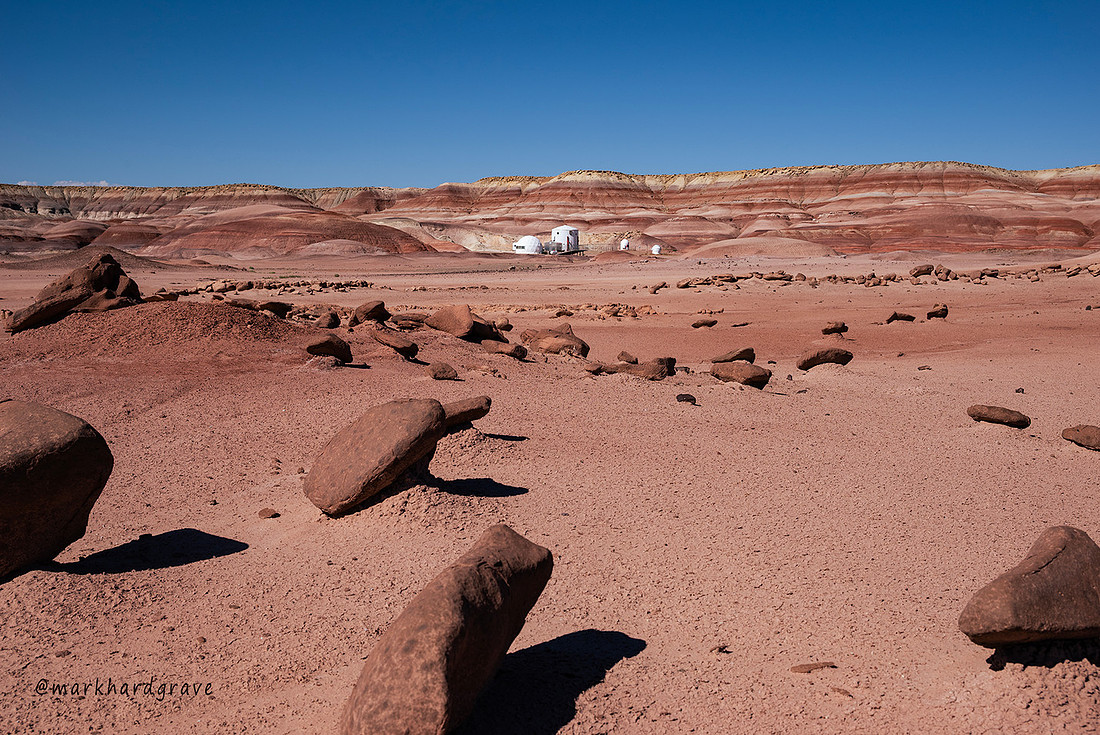
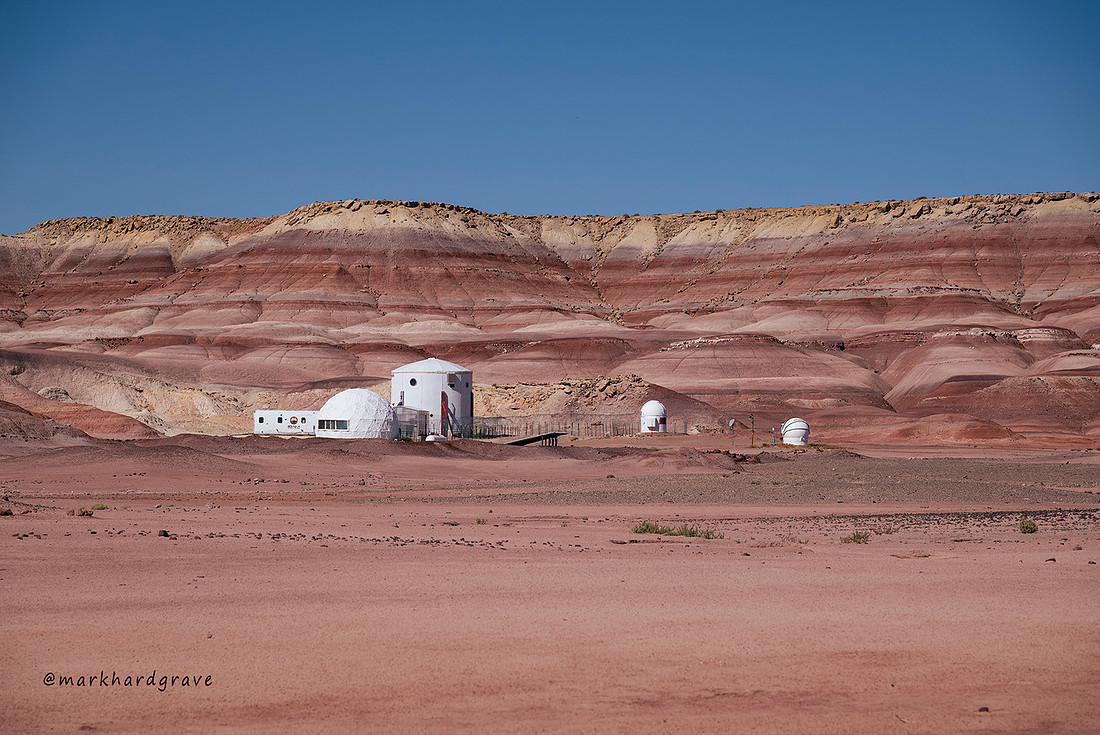
Tucked away in a landscape so barren and red it would make a Rover jealous, you’ll find the Mars Desert Research Station. To be honest, it looks like it was plucked straight out of a 1950s sci-fi "B" movie—white pods, vast emptiness, and total isolation.
The Lowdown
-
The Vibe: It looks like a low-budget movie set, but it's actually a serious research facility!
-
Who’s in charge? Contrary to popular belief, it’s not a NASA project. It is a privately funded facility dedicated to seeing how humans might actually live on the Red Planet.
-
Can you go inside? Not unless you’re an astronaut-in-training. The property is private, but you can get a fantastic view (and some killer photos) from a respectful distance.
-
The Best Part: It’s located on North Cow Dung Road. Yes, seriously. You can’t make this stuff up!
Why You Should Stop
Whether you’re rocking a professional rig or just snapping away on your cell phone, this place is a creative goldmine. The contrast of the high-tech looking habitat against the ancient, rugged desert makes for some incredible shots.
Pro Tip: Don’t get so caught up in "serious" photography that you forget to take the fun shots! These are the memories you’ll laugh about later when you tell your friends you finally moved to Mars.
If you’re exploring the Hanksville area, definitely make the detour. It’s weird, it’s beautiful, and it’s definitely "out of this world."
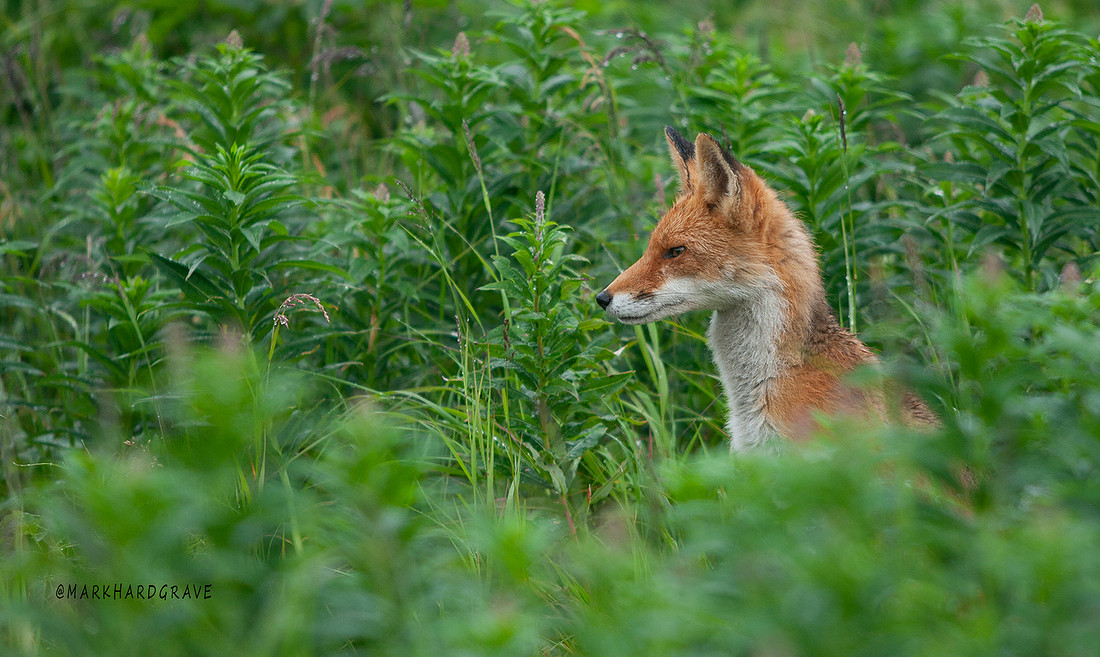
Watching the Watcher
Watching the Watcher: A Quiet Evening at McNeil River
In 2010, Kevin and I had the incredible opportunity to visit the McNeil River in Alaska to photograph the local brown bears. After a long day at the waterfalls—watching the bears strategically catch salmon to fatten up for the coming winter—we would usually end our day back at the "cook shack."
Life at a bear camp requires a lot of discipline. To stay safe, we had to cook and store all of our food inside the shack, far away from any curious bears. Once the daily chores of cooking, filtering water, and cleaning our camera gear were finished, we always looked forward to spending a little quiet time outside.
An Unexpected Encounter
Just behind the cook shack lived a female red fox and her kit. Seeing them was never a guarantee, but we were feeling lucky.
With our cameras at the ready, we spotted her perched atop a weathered stack of driftwood. She sat perfectly still, scanning the area to ensure her kit didn't wander off into any trouble. It was a beautiful, serene moment of motherhood in the wild.
What struck us most was her temperament; she wasn't scared of our presence. Instead, she was simply attentive—keeping a watchful eye on us while never losing focus on her little one. It was the perfect, peaceful conclusion to a heavy day of photographing Alaska's powerful bears.